Contaminated radioactive zinc considered for transfer to Subic Bay, Philippines

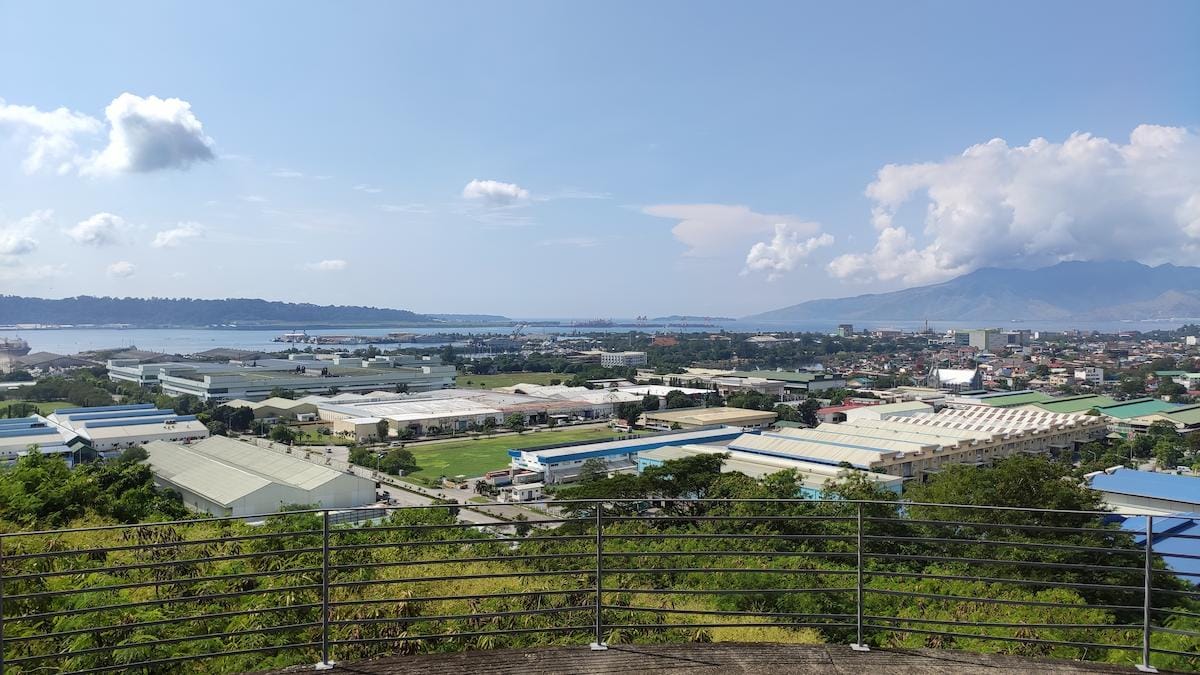
The Subic Bay Metropolitan Authority in the Philippines (SBMA) has confirmed that it is considering a proposal to transfer radioactive cargo from the Port of Manila to the Port of Subic.
The 23 containers of radioactive zinc dust have been stranded in Manila Bay for several months. The shipment was returned to the Philippines aboard MV Hansa Augsburg in late September after Indonesian authorities detected contamination with caesium-137 and subsequently "rejected and reexported" them.
The director of the Philippine Nuclear Research Institute (PNRI), Carlo Arcilla, had earlier indicated that the containers could be stored at a Subic Bay military facility, which has old ammunition bunkers. It was reported that the containers had been offloaded at the Port of Manila on 11 January and moved to a "safe location", which one anonymous official had given as being a temporary holding area just outside Metro Manila.
The SBMA has confirmed that the cargo carries a safety certification issued by the PNRI. Armina Belleza Llamas, acting deputy administrator of the SBMA Office of the Deputy Administrator for Corporate Communications, said that the cargo would only be moved "as long as it has undergone strict and meticulous scrutiny by the Philippine PNRI and has been declared safe under all regulatory standards".
Caesium-137 can cause immediate harm, including radiation burns and acute sickness, if handled in high concentrations. Long-term exposure through ingestion or inhalation of trace amounts may lead to permanent cellular damage and a significantly increased risk of cancer. It is created through nuclear reactions and is used in a variety of industrial, medical and research applications.
The level of contamination of the zinc dust is low, however, with the radiation becoming background only one metre away from the container. Arcilla has also confirmed that the crew of MV Hansa Augsburg had tested negative for radiation.