OPCW hosts workshop on CBRN forensics and crime scene management

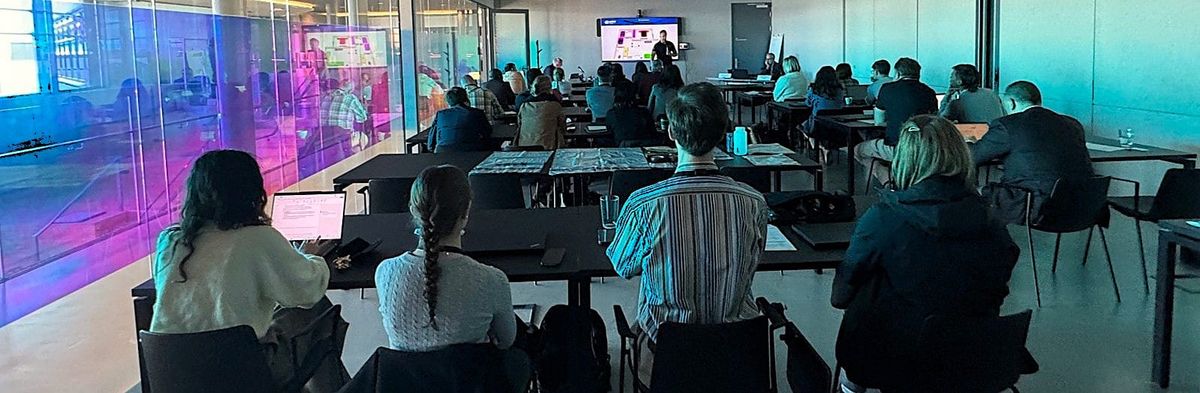
The Organisation for the Prohibition of Chemical Weapons' (OPCW) Centre for Chemistry and Technology has hosted a three‑day workshop titled "CBRN Forensics and Crime Scene Management in Investigations" from 28-30 April 2026.
According to UNICRI, the workshop brought together 24 OPCW personnel with the support of four experts from UNICRI, building on long‑standing cooperation between the OPCW, UNICRI and the European Union CBRN Centres of Excellence network.
"The workshop aimed to broaden and consolidate forensic awareness across OPCW divisions," wrote UNICRI. "Rather than replacing existing expertise, it reinforced core CBRN forensic principles relevant to chemical weapons investigations and promoted consistent evidentiary standards. The training also supported the harmonisation of practices among inspectors and enhanced readiness for situations where chemical investigations intersect with criminal justice processes."
Strengthening practical forensic skills and coordination
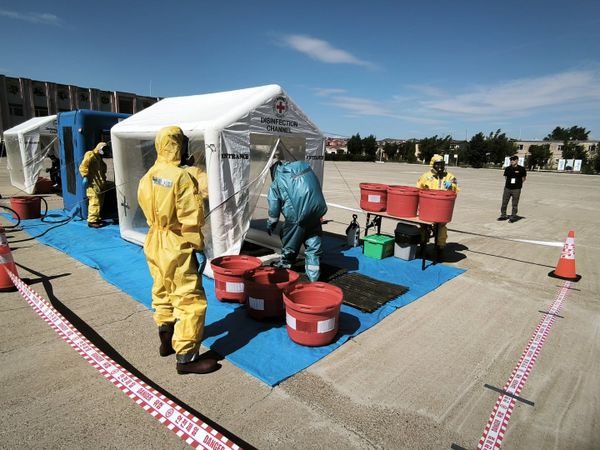
"Participants examined the role of CBRN forensic science beyond chemical analysis, including crime scene management, physical evidence handling, multidisciplinary evidence streams and risk assessment in contaminated or operationally sensitive environments. Practical exercises strengthened competencies in contamination control, inter‑agency coordination and preservation of evidentiary value under operational constraints".
"The curriculum combined theoretical modules with hands‑on activities simulating realistic crime scene scenarios. Topics covered chemical, physical, biological, trace, explosive, ballistic and digital evidence, along with best practices for documentation, preservation and transport. UNICRI designed and delivered the programme in close consultation with the OPCW, ensuring alignment with operational, laboratory and legal requirements."
The workshop was funded by the European Union and implemented within the framework of the EU CBRN CoE programme, "From CBRN Crime Scene to Courtroom", which aims to enhance the ability of national authorities to investigate, prosecute and adjudicate crimes involving chemical, biological, radiological and nuclear materials.