South Korea launches investigation after low-level radioactive waste goes missing from hospital

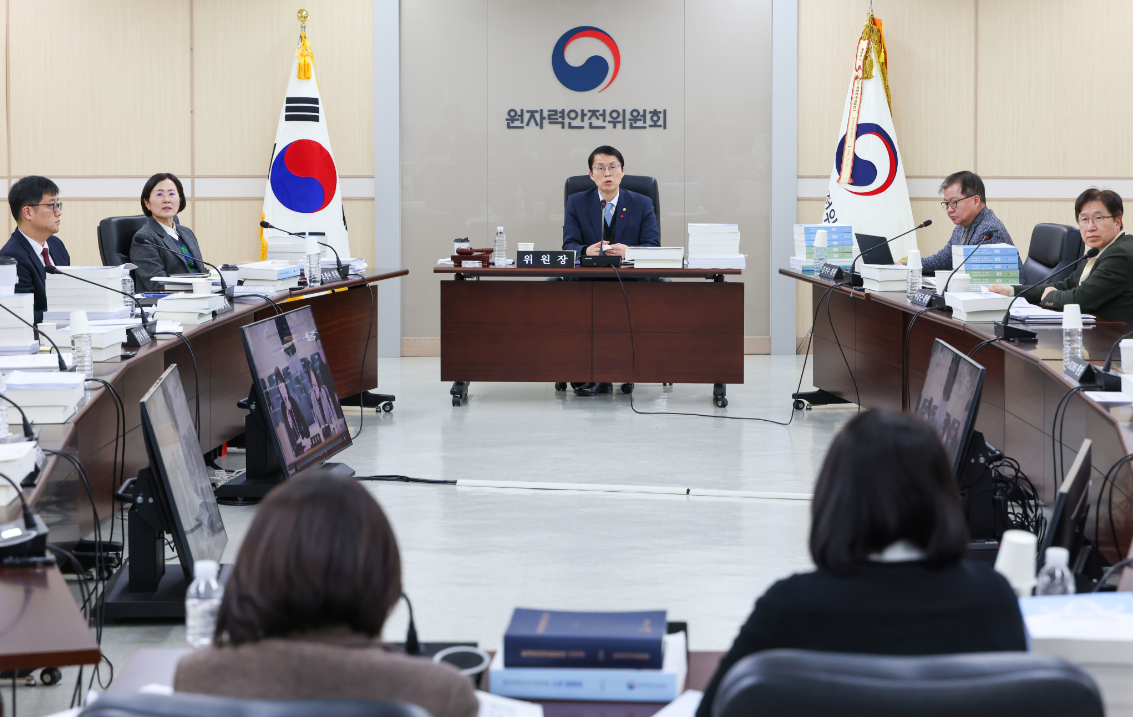
South Korea's Nuclear Safety and Security Commission (NSSC) has launched an investigation after low-level radioactive waste was reported missing from a hospital in Hwaseong, Gyeonggi Province.
The NSSC announced on 20 February that it had dispatched experts from the Korea Institute of Nuclear Safety to begin an investigation after receiving a report that some radioactive waste had been lost from a hospital in Hwaseong.
According to the NSSC, 'Hospital A' had stopped using a therapeutic linear accelerator in September last year, disassembled it and was storing before disposal. A linear accelerator is a device used in therapy that generates X-rays, and some components become radioactive during operation.
However, because the amount of radiation emitted is low, the accelerator can be treated as general waste with NSSC approval once the radioactivity level drops below a certain level.
After realising that some of the radioactive waste was missing, the hospital reported the incident to the NSSC and Korea Institute of Nuclear Safety.
According to the hospital, the surface dose rate of the missing radioactive waste was measured as between 0.2 and 0.9 microsieverts per hour back in September, and is expected to be even lower now. The radiation level is comparable to natural background radiation at a distance of one metre from the waste.
The NSSC plans to conduct an on-site investigation to determine the detailed circumstances surrounding the incident and to check for any violations of the Nuclear Safety Act.