Turkey unveils new NATO-compliant CBRN protective gear

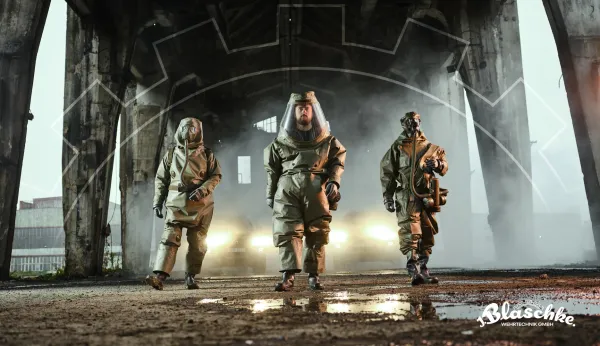
Turkey’s state-owned defence firm Makine ve Kimya Endüstrisi (MKE) has announced a new NATO-compliant CBRN protective equipment range developed in-house to protect personnel operating in contaminated environments.
According to information published by Global Defense News, MKE said its newly developed equipment is designed to "improve survivability while allowing military units to sustain operational tempo under chemical, biological, radiological or nuclear threat conditions".
According to MKE, the equipment was developed using their internal research and development infrastructure and is intended to meet NATO interoperability and performance standards. It could therefore be used by both Turkish forces and allied or partner militaries facing similar contamination risks.
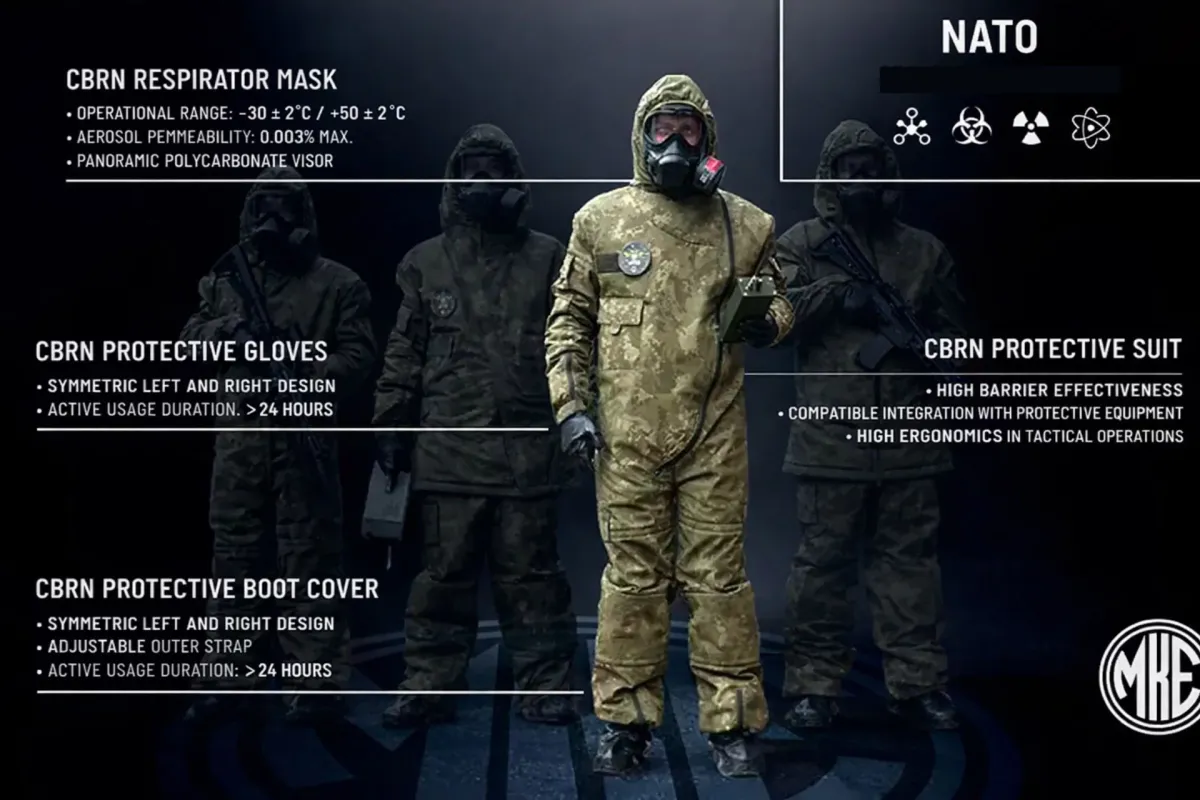
MKE's protective clothing consists of multi-layer systems using active carbon technology designed for demanding operational conditions, with priorities including ergonomics, mobility and sustained wear. The product family is structured around two functional layer technologies and four different models, offering eight distinct product configurations tailored to diverse mission profiles and user requirements, making it particularly relevant for forces that must equip a wide range of personnel without imposing a single uniform protection level.
The central component of the protective equipment is the CBRN Nefes Mask, which features low aerosol permeability and an anti-fog panoramic visor. The company says that the mask operates reliably in temperatures ranging from -30°C to +50°C, maintaining seal integrity, airflow performance and visor usability.
Meanwhile, MKE's CBRN Protective Gloves combine high chemical resistance with enhanced fingertip sensitivity, allowing the user to manipulate weapon controls, radios, vehicle interfaces and medical equipment, even in adverse conditions such as rain, mud and low temperatures.