US Army 4th Infantry Division tests new triage technology in simulated environment

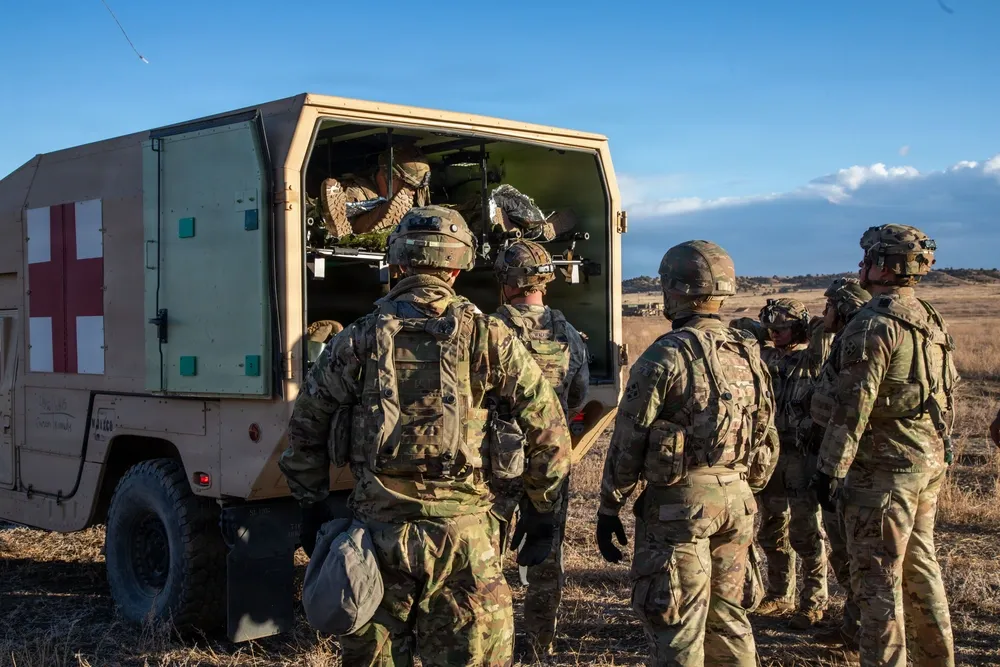
The US Army 4th Infantry Division tested advanced wearable sensors and end-user software during Ivy Sting 4, which took place from 26 January to 5 February at Fort Carson, Colorado.
According to an article released by the US Army, the exercise demonstrated how real-time physiological and environmental data can improve casualty triage, treatment and tracking during simulated combat trauma.
"The technology supported sensor-assisted triage, treatment and tracking across multiple brigades under realistic large-scale combat operations conditions," and "integrated the technology into next generation command and control", enabling commanders to visualise casualties, risks and evacuation timelines.
The Division Surgeon Cell led the effort and partnered with the Capability Program Executive – Chemical, Biological, Radiological, and Nuclear Defense (CPE-CBRND), which provided lightweight, body-worn sensors capable of monitoring vital signs, physical exertion and environmental conditions in real time, including indicators of CBRN exposure.
Soldiers wore the sensors and employed end-user software on Android tactical assault kit devices. Casualty simulation scenarios ranged from burn and blast injuries to CBRN contaminated patients.
"Testing demonstrated that the sensors delivered accurate, actionable and secure data while remaining comfortable and durable in austere field environments," the article noted.
"Commanders were able to monitor patient status, location, identification and environmental conditions across multiple brigade areas of operation, enabling faster and more informed decisions. Medics reported that access to real-time data improved their ability to triage and treat casualties and enhanced early detection of potential injuries or health issues, reducing the risk of serious medical incidents during high-intensity training."
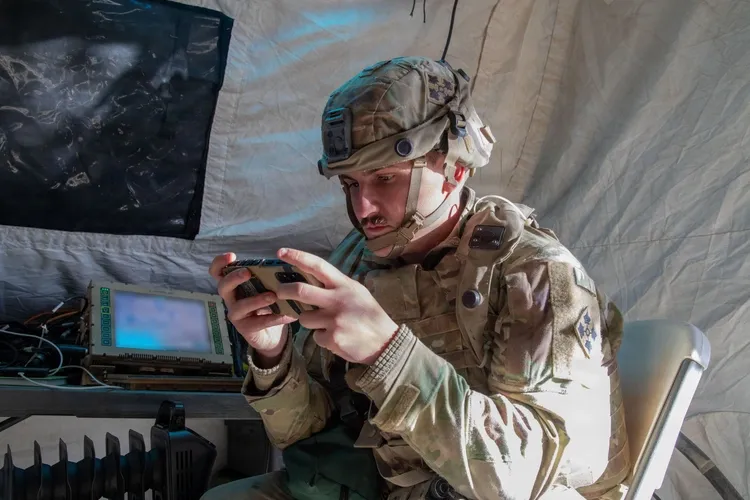
Faster 9-Line requests
Staff sergeant Walter Michener, 4th Infantry Division, said that faster "9-Line requests" have multiple operational benefits including returning combat strength as soon as possible to combatant commanders, optimising asset allocation for higher echelons and increased confidence in medicine.
A 9-Line medical evacuation is a US military format used to quickly and clearly request the evacuation of wounded personnel by aircraft, so called because the request has nine specific lines of information, always given in the same order:
- Pickup location
- Radio frequency / call sign
- Number of patients by precedence (urgency)
- Special equipment required
- Number of patients by type (litter or ambulatory)
- Security of pickup site
- Method of marking pickup site
- Patient nationality and status
- CBRN contamination (or hazards)
"Soldiers getting to an operating table within an hour can drastically increase their outcome; with 9-lines being more efficient with technology, brigade and higher assets can manage evacuation platforms better and prevent over-allocation," said Michener. "Overall, the more efficient that 9-lines and MEDEVAC can be, the more trust will be put into us, knowing that help is always on the way."