Three die, three evacuated amid hantavirus outbreak on Atlantic cruise ship

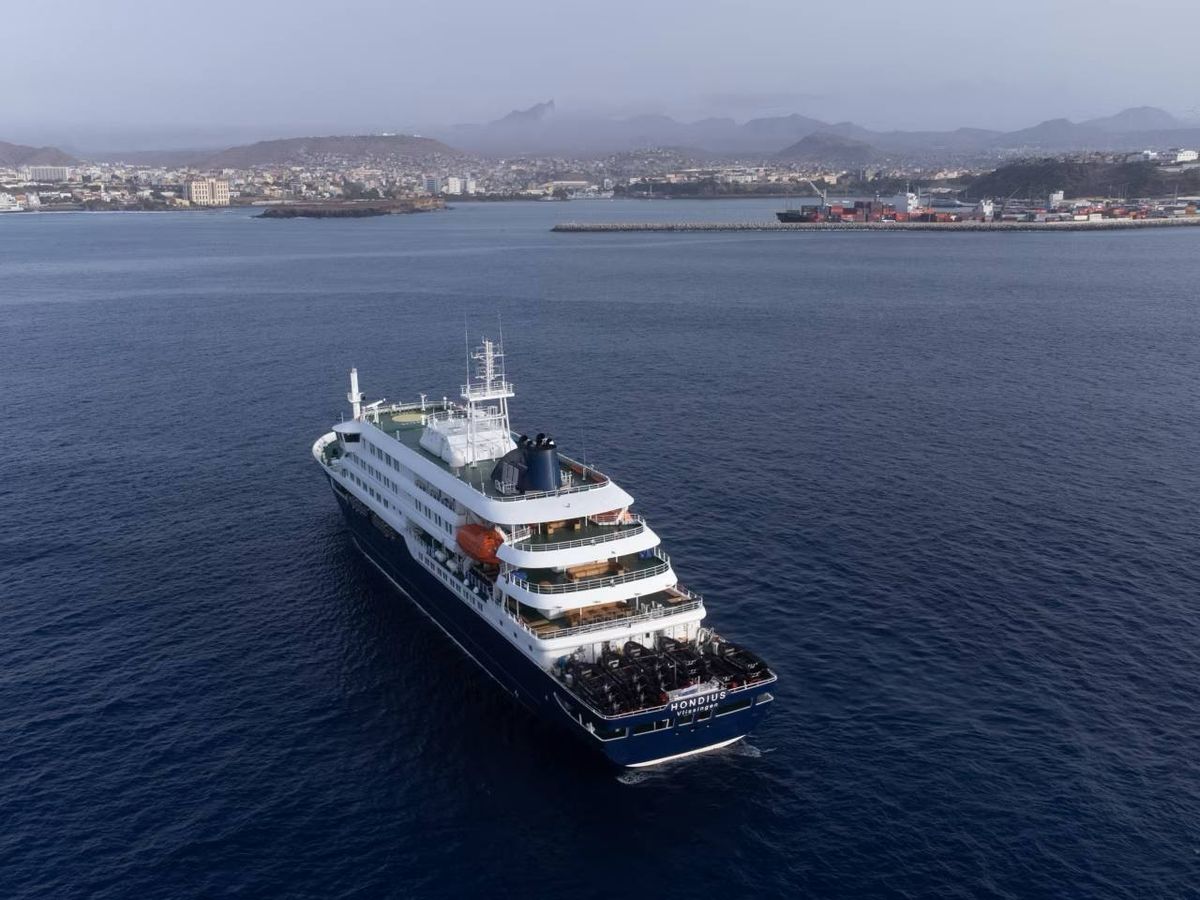
As of 1pm CEST on Wednesday 6 May, three people are confirmed to have died and three more have been evacuated from a cruise ship currently docked in Cape Verde amid a suspected outbreak of hantavirus. A total of eight cases have been confirmed by laboratory testing at the time of writing.
The timeline of the outbreak
The ship, MV Hondius, left the Argentinian city of Ushuaia on 1 April, heading across the south Atlantic Ocean. The first passenger to have died of suspected hantavirus was a male Dutch national, on 11 April.
The wife of the deceased passenger was flown from the British overseas territory of St Helena to Johannesburg, South Africa, alongside her husband's body on 24 April. She is understood to have deteriorated during the flight and was taken for treatment in hospital, however subsequently died of confirmed hantavirus on 26 April.
On 27 April, another sick passenger, a British national, was evacuated to South Africa where he remains in a critical but stable condition.
A third person, a German national, died aboard the ship on 2 May, however it is unclear whether they were infected with hantavirus, according to the BBC. MV Hondius arrived in the west African island nation of Cape Verde on 3 May, where it currently remains.
Seven cases of hantavirus - two confirmed and five suspected - have so far been identified in people who were on the ship, according to the latest World Health Organization update.
An eighth case of hantavirus has been discovered in a Swiss man who had been aboard the ship but travelled home from South America "at the end of April".
The Swiss government says he was immediately placed in isolation after visiting the University Hospital Zurich with symptoms, adding that "at present, there is no danger to the public". Authorities are investigating if he had any contact with others while ill.
Three evacuations from Cape Verde, opposition from Canary Islands government
A further three people with suspected hantavirus were evacuated from the ship on Wednesday morning, 6 May, to the Netherlands. The Dutch foreign ministry confirmed that a British, German and Dutch national had been taken from the ship and were on their way receive treatment at specialist hospitals "in Europe".
The ship is operated by the Dutch company, Oceanwide Expeditions. They had previously planned to "proceed to the Canary Islands, either Gran Canaria or Tenerife", however the president of the Canary Islands, Fernando Clavijo, rejected the Spanish government’s decision to allow the ship to dock in the islands.
"I can not allow [the boat] to enter the Canaries," Clavijo told Onda Cero radio in an interview. "This decision is not based on any technical criteria and nor have we been given enough information."
Also speaking to the Spanish TV channel RTVE, Clavijo said the Spanish prime minister Pedro Sánchez made the decision "without consulting the Canary Islands".
"If an agreement has been reached with the World Health Organization without consulting the Canary Islands, I ask him to explain the details of the agreement and the medical and technical criteria that differ from those agreed yesterday at midday."
According to the BBC, Oceanwide Expeditions says it "remains in close and continual discussion with relevant authorities regarding our exact point of arrival, quarantine and screening procedures for all guests, and a precise timeline". The company has said that Spain's Canary Islands remain the intended final destination "at this stage".
What is hantavirus?
According to the World Health Organization, hantavirus cardiopulmonary syndrome, also known as hantavirus pulmonary syndrome (HPS), is a zoonotic, viral respiratory disease caused by hantaviruses of the genus Orthohantavirus, family Hantaviridae, order Bunyavirales. More than 20 viral species have been identified within this genus.
Human hantavirus infection is primarily acquired through contact with the urine, faeces or saliva of infected rodents or by touching contaminated surfaces. Exposure typically occurs during activities such as cleaning buildings with rodent infestations, though it may also occur during routine activities in heavily infested areas. Human cases are most commonly reported in rural settings, such as forests, fields and farms, where rodents are present and opportunities for exposure are greater.
HPS is characterised by headache, dizziness, chills, fever, myalgia and gastrointestinal problems, such as nausea, vomiting, diarrhoea and abdominal pain, followed by sudden onset of respiratory distress and hypotension. Symptoms of HPS typically occur from 2-4 weeks after initial exposure to the virus.
The virus can cause two severe illnesses. Hantavirus pulmonary syndrome often starts with fatigue, fever and muscle aches, followed by headaches, dizziness, chills and abdominal issues. If respiratory symptoms develop, the mortality rate is approximately 38 percent, according to the US Centers for Disease Control and Prevention.
However, hemorrhagic fever with renal syndrome is more severe and primarily affects the kidneys. Later symptoms can include low blood pressure, internal bleeding and acute kidney failure.