Argentina identifies hantavirus in Tierra del Fuego rodents, unrelated to cruise ship outbreak

Argentina's ANLIS Malbrán, the antimicrobial service of the country's National Institute of Infectious Diseases, has identified hantavirus in rodents from its southern Tierra del Fuego region.
Studies conducted by specialists from the ANLIS Malbrán Institute indicated that some rodents captured in Ushuaia showed evidence of infection, however, they stress that the viral variant is different from that observed in human cases associated with the outbreak of hantavirus on the MV Hondius cruise ship last month. Therefore, the investigation ruled out the possibility that the analysed rodents were the source of infection linked to that event.
As part of the epidemiological investigation into the hantavirus outbreak associated with the MV Hondius cruise ship, serological analyses conducted by specialists have detected hantavirus circulation in rodents in Ushuaia for the first time. The results showed that five specimens belonging to the genus Abrothrix had specific antibodies against hantavirus.
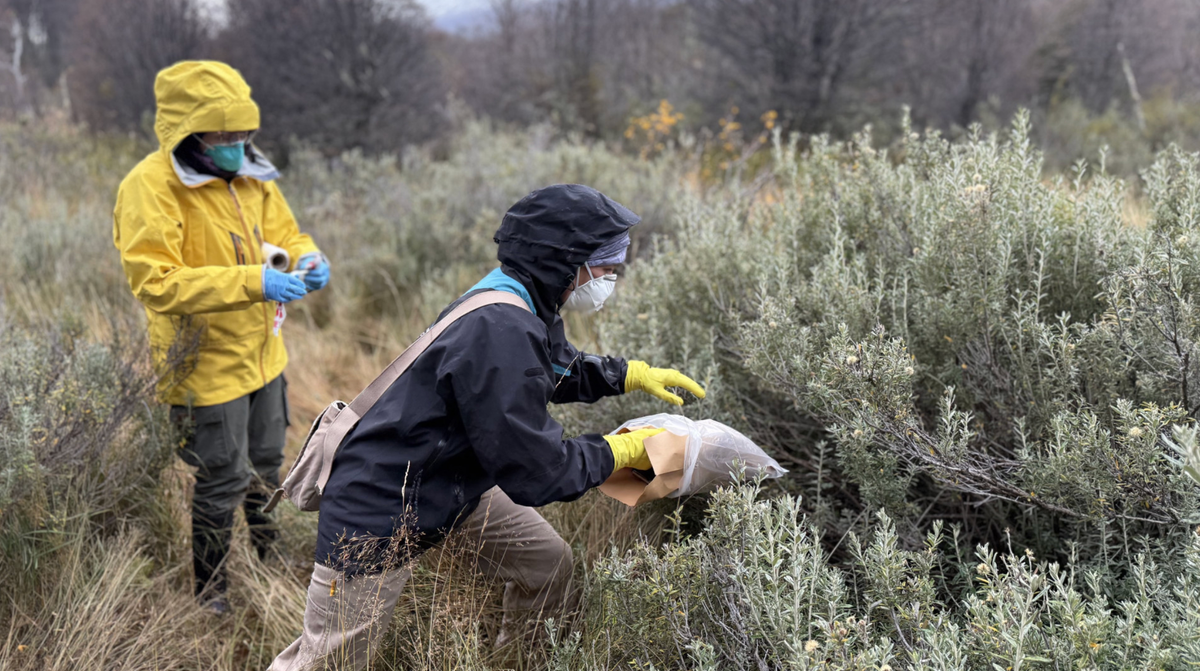
A news release published by the Argentine government confirmed that the wild rodent capture operations took place between 18-22 May and were carried out by biologists from the ANLIS Malbrán Institute and the National Reference Laboratory for Hantavirus, along with professionals from the General Directorate of Epidemiology and Environmental Health of the Ministry of Health of Tierra del Fuego. They were conducted in areas on the outskirts of Ushuaia and within Tierra del Fuego National Park, under strict biosafety protocols.
One-hundred and forty-four rodents were captured and no specimens of Oligoryzomys longicaudatus, the main known reservoir of the Andes virus in the Patagonian region, were identified. Instead, specimens of the species Abrothrix hirta and Abrothrix olivacea, were captured.