US NRC proposes rule change for greater-than-class-C radioactive waste disposal

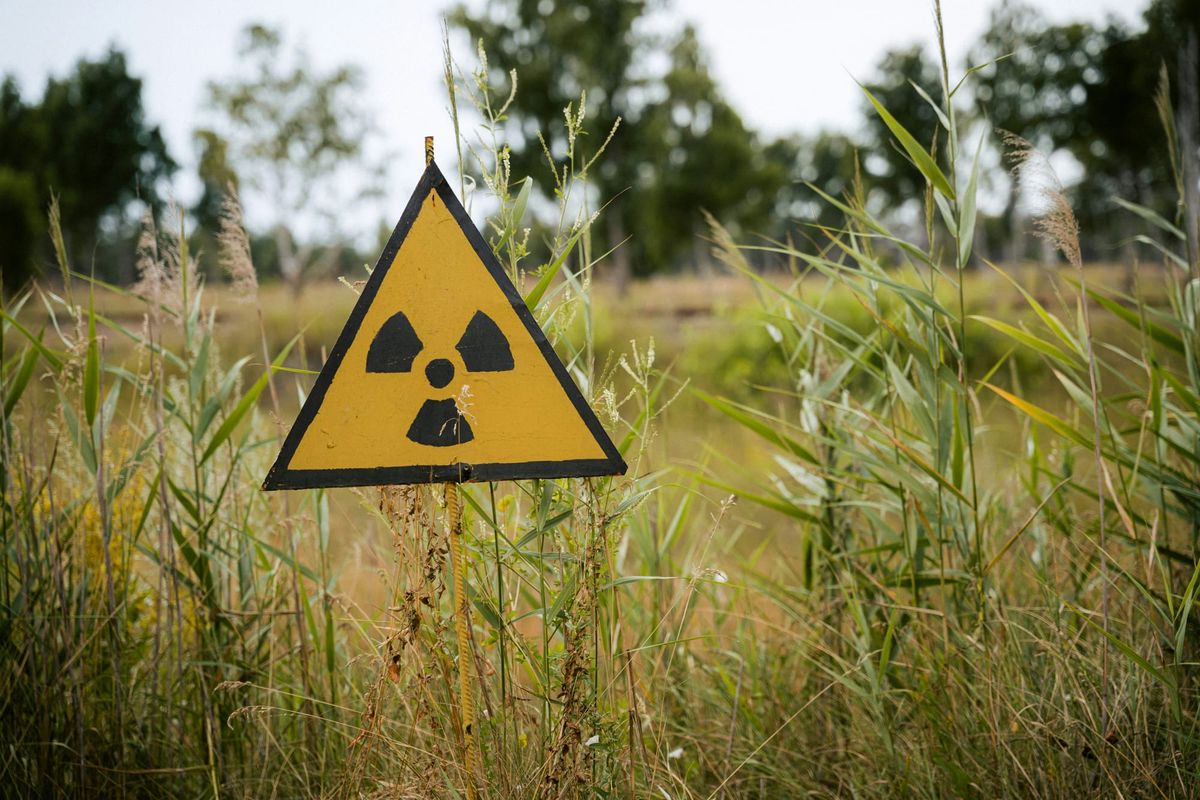
The United States' Nuclear Regulatory Commission has proposed a rule that would establish a clear regulatory pathway for disposing of "Greater-Than-Class-C" radioactive waste.
Greater-than-Class C radioactive waste is low-level waste that exceeds the statutory limits for shallow-land burial but are not within the historical definition of high-level wastes, such as spent fuel and first-cycle reprocessing waste.
In an announcement published by the Nuclear Regulatory Commission on 25 June, they said that the proposal "aims to resolve a decades-old challenge that has left certain higher-activity radioactive waste without a defined disposal option and stranded at sites across the country".
The proposed rule would modernise the framework for land disposal of low-level radioactive waste by allowing disposal facilities to use site-specific, risk-informed analyses to safely manage a broader range of radioactive materials. These updates would offer greater regulatory flexibility while maintaining rigorous protections for workers, the public and the environment, the Commission said.
"A strong nuclear sector requires more than reactors - it requires a complete fuel cycle and a clear pathway for managing radioactive waste," said the NRC Chairman Ho K. Nieh.
"This proposal replaces the dead-end of continued storage with a modern framework that protects people and the environment while supporting the next generation of nuclear technologies. It is an example of how the NRC can uphold its safety mission while adapting to the realities of today's nuclear industry."
More specifically, the proposal would create new disposal options for GTCC waste, including near-surface and deeper disposal pathways, and update requirements to reflect advances in science, engineering and waste management practices. These changes would provide generators and disposal facilities a more predictable and durable framework for planning future waste‑disposal needs.