EU CBRN CoE Project 112 for North Africa and Sahel officially launched in Tunisia

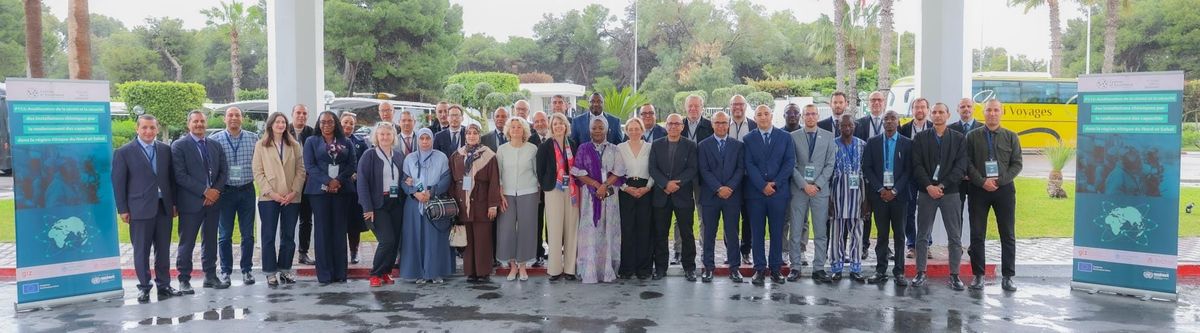
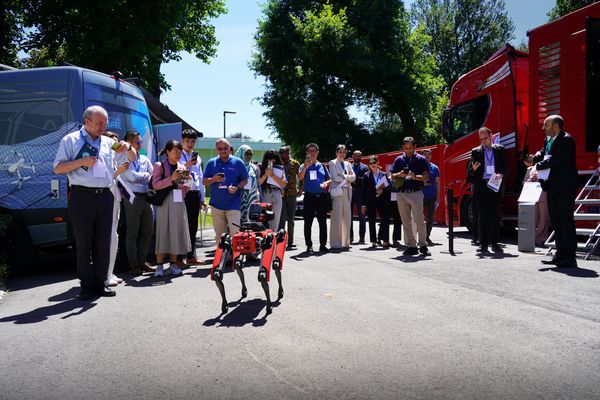
The European Union CBRN Centres of Excellence's Project 112 for North Africa and the Sahel region was officially launched through its kick-off meeting in Tunis, Tunisia, on 14-16 April. The aim of the meeting was to "align activities with partner countries’ priorities", according to the EU.
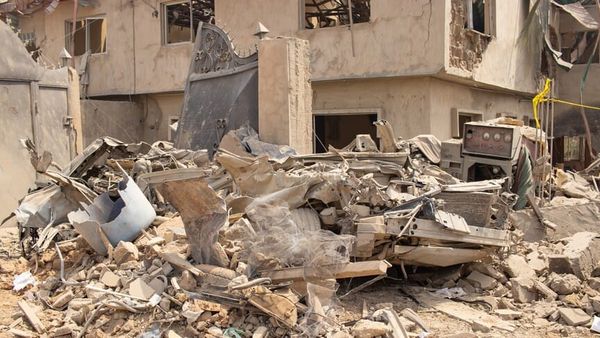
The launch of Project 112 brought together national focal points, deputies and technical experts from Algeria, Burkina Faso, Libya, Morocco, Nigeria and Tunisia. In general, the project "seeks to strengthen the analysis of the legal, institutional and technical framework of chemical management, improve the prevention, preparedness, response and recovery of chemical accidents and strengthen the skills to control chemical facilities".
The project is being implemented by a consortium led by the Deutsche Gesellschaft für Internationale Zusammenarbeit (GIZ), in partnership with the Sant’Anna School of Advanced Studies and the University of Pisa. It has an overall budget of €2,500,000 and will run from November 2025 to November 2028.
The opening session of the meeting gathered representatives from key institutions, including the European Union's delegation in Tunisia, the Service for Foreign Policy Instruments of the European Commission, the EU CBRN CoE Regional Secretariat for North Africa and Sahel, national authorities and implementing partners.
"Their interventions set the strategic framework for implementation and reaffirmed the importance of regional cooperation. Participating countries also introduced their nominated experts, helping to establish clear technical counterparts for each component of the project," according to the EU.
The meeting also featured a series of thematic roundtables covering key areas such as chemical profiling, risk assessment, emergency preparedness, inspection systems and laboratory capacities.
Outline of the project
The first phase of the project focuses on strengthening national chemical governance and identifying existing capacities. This includes the development of national chemical profiles and targeted training on identifying hazardous substances.
The project will address the full risk management cycle, from identifying high-risk chemical installations to strengthening risk assessment and mitigation capacities. This approach will be complemented by national exercises designed to test coordination, decision-making and emergency response mechanisms.
The final phase will focus on sustainability, reinforcing inspection systems and laboratory capacities to support long-term chemical safety and control.