IED threats and cholera-related misinformation persist in northern Mozambique

The threat of IEDs and cholera-related misinformation continue to persist amidst ongoing violence and volatility in northern Mozambique.
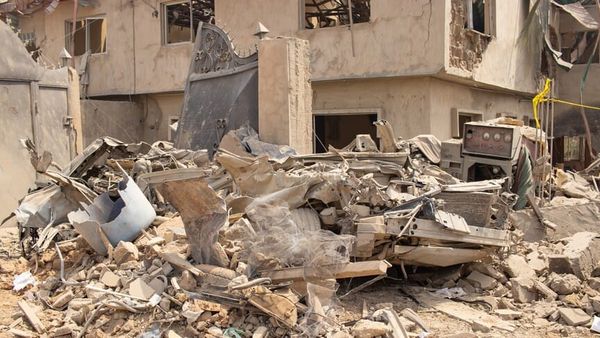
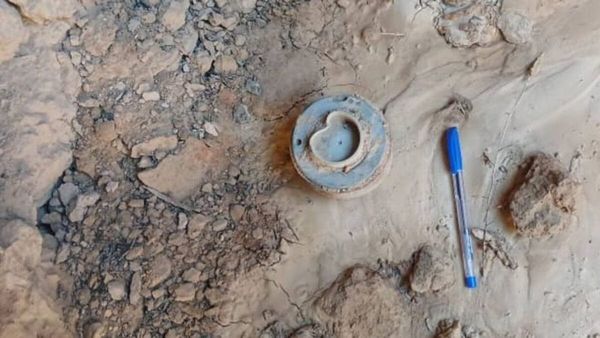
According to a report released by the United Nations Office for the Coordination of Humanitarian Affairs on Thursday 19 March, three IED incidents were reported in February in the settlements of Macomia and Mocimboa da Praia, down from eight incidents in January.
"In Quinto Congresso, Macomia district, non-state armed groups used IEDs to attack a military-escorted convoy of commercial and passenger vehicles, injuring an unspecified number of civilians," the report noted. "In a separate incident in Macomia, an elephant triggered an explosive device placed in village forest areas, causing panic among the community."
Meanwhile, misinformation about cholera is increasingly driving community violence, undermining public health efforts and highlighting urgent needs for risk communication and engagement strategies.
"About 13 community violent incidents driven by cholera-related misinformation and disinformation were recorded in February, nearly double the six incidents reported in January. Communities vandalised cholera treatment structures, threatened health workers, physically assaulted local leaders and burned an ambulance and other assets, forcing the suspension of services," the report noted.
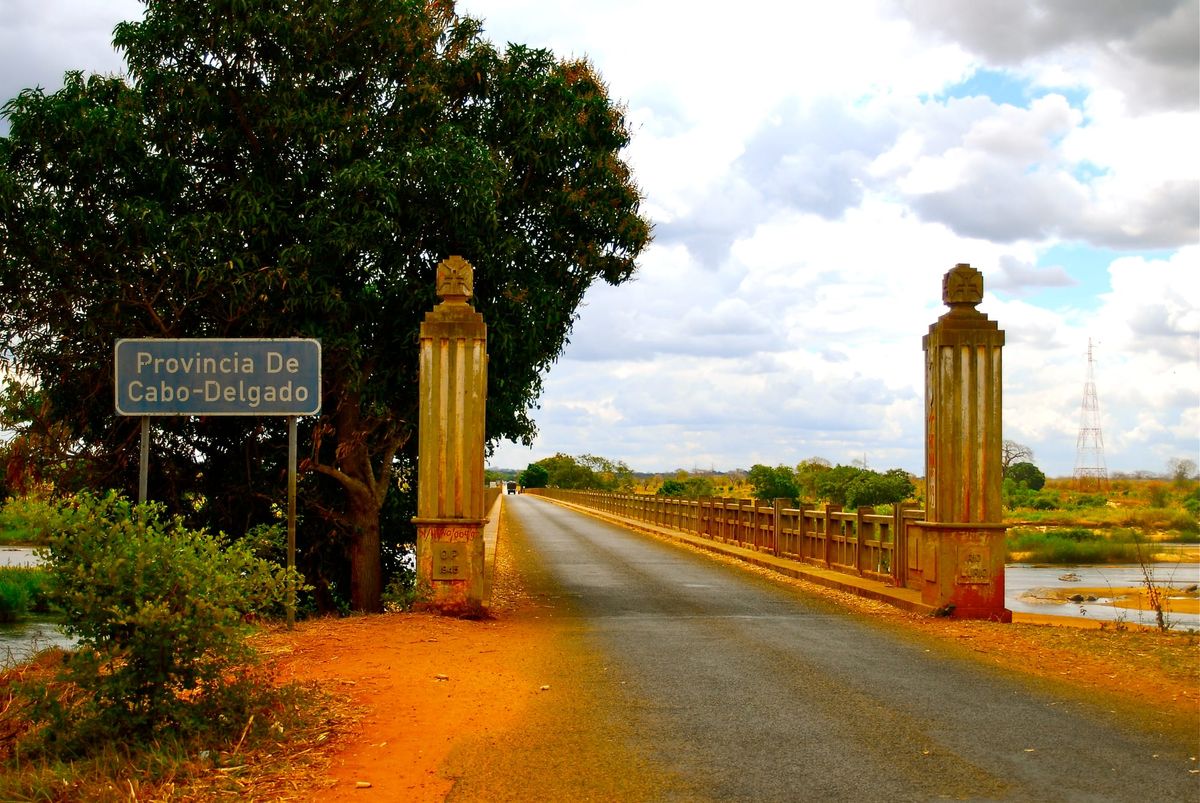
Islamist insurgents have waged a jihadist insurgency in the northern province of Cabo Delgado since 2017, killing thousands of people. Security incidents sharply increased in 2025, with violence spilling into neighbouring Nampula and Niassa provinces, displacing over 300,000 people.
The region is afflicted by extreme poverty, state abuse and weak governance, and the conflict in northern Mozambique remains unresolved despite past and present interventions from Rwanda, the Southern African Development Community, United States, European Union member states and others.