Polish school detects radon levels seven times over the safe limit

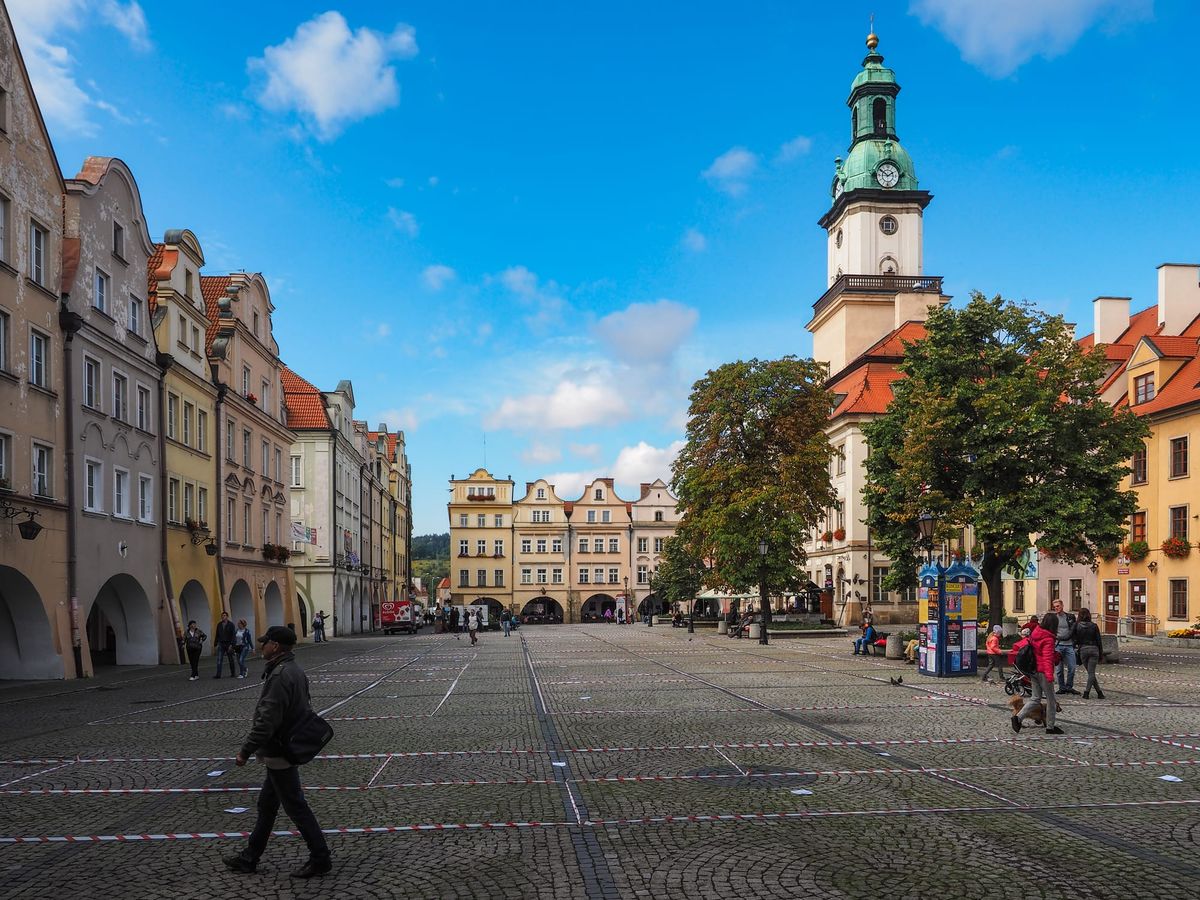
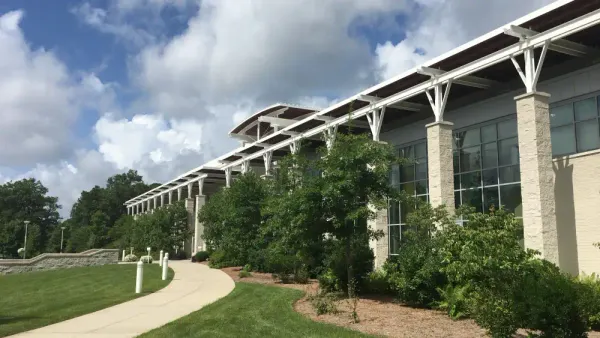
A school in Jelenia Góra, southwestern Poland, has detected levels of the radioactive gas radon being at more than seven times the safe limit.
As reported by TVP World, the tests were conducted from late January to early March and found radon levels in two classrooms and the gym at more than 2,000 becquerels per cubic metre. The recommended safe limit for radon, a colourless, odourless radioactive gas that seeps from the ground and accumulates in lower floors, is 300 Bq.
Long-term exposure to radon can damage DNA and increase the risk of cancer. According the US Centers for Disease Control and Prevention, radon exposure is the second leading cause of lung cancer in the United States after smoking, resulting in between 15,000 and 22,000 deaths per year.
City Hall spokesperson Marcin Ryłko said that the school had taken steps to cut radon exposure, including regularly airing classrooms, renovating the basement and installing radon-resistant flooring. He added that the readings will be repeated as the initial tests were conducted when students were absent and rooms were not aired, meaning the results may not fully reflect daily exposure.
Jelenia Góra and nearby areas are known to have naturally have higher radon concentrations, making monitoring and mitigation especially important to avoid long-term health affects.