Smiths Detection, Proengin, Oritest products spotted in OPCW informational video

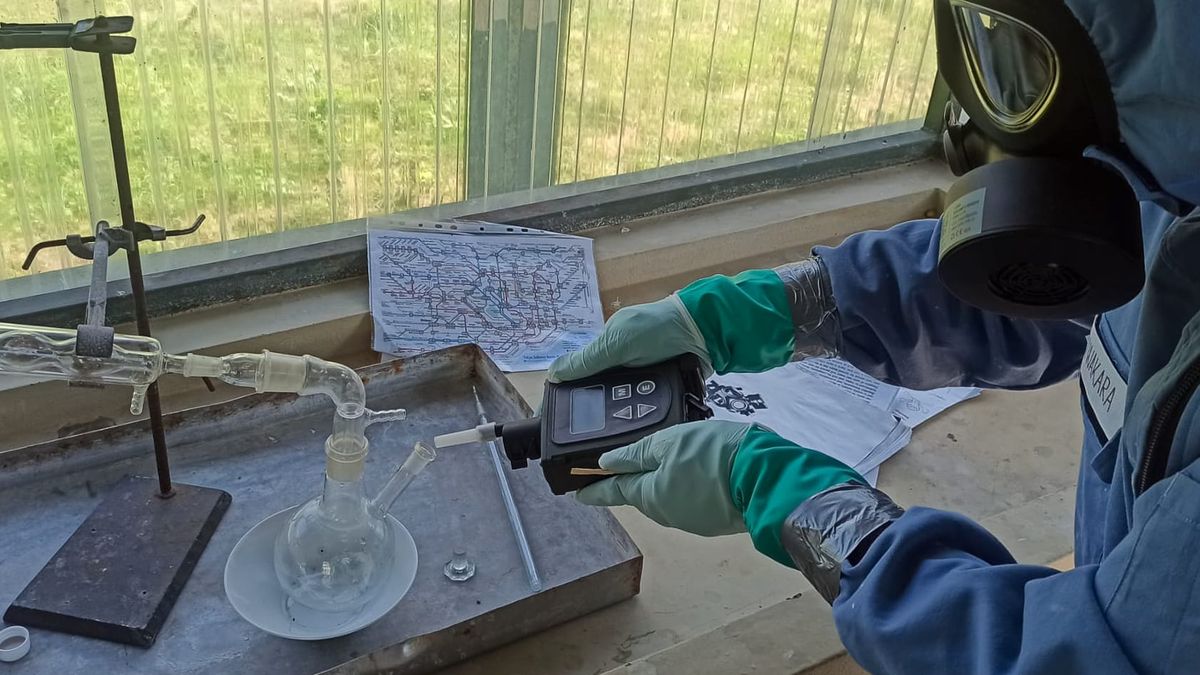
Smiths Detection's LCD, Proengin's AP4C and SP4E, and Oritest's CALID-3 paper have all been spotted in a recent informational video published by the Organisation for the Prohibition of Chemical Weapons (OPCW).
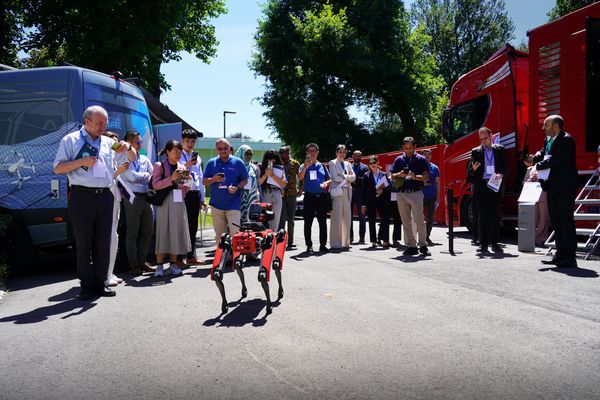
The short video published on the OPCW's social media gave a brief introduction into how their inspectors detect the presence of chemical weapons and determine where to take a sample.
"Ion mobility spectrometry is used to scan the air for nerve, blister, blood or choking agents," the video said, displaying Smiths Detection's LCD devices. Publicly available OPCW documents show that the organisation has used both the LCD 3.3 and LCD 4 since July 2013, with the latter becoming legally deployable in December 2024.
"Flame atomic mission spectroscopy is used to detect vaporous elements commonly found in chemical warfare agents such as sulphur, phosphorus, arsenic and nitrogen," the OPCW said, highlighting Proengin's AP4C. The same documents reveal that the AP4C became legally deployable by the OPCW in September 2015. The previous models - the AP2C and AP2Ce - are no longer in use by the OCPW secretariat.
The video also noted Proengin's scraper tool, the SP4E, which is used to collect solid or liquid samples before converting them into vapours for analysis by the AP4C.
Finally, the OPCW highlighted Oritest's CALID-3 paper, which has been in use since the entry into force of the Chemical Weapons Convention, however was renotified in 2011. CALID-3 paper changes colour when it comes into contact with liquid G and V-class nerve agents, or blister agents.