Week-long SCOUT26 CBRN capability trial concludes in USA

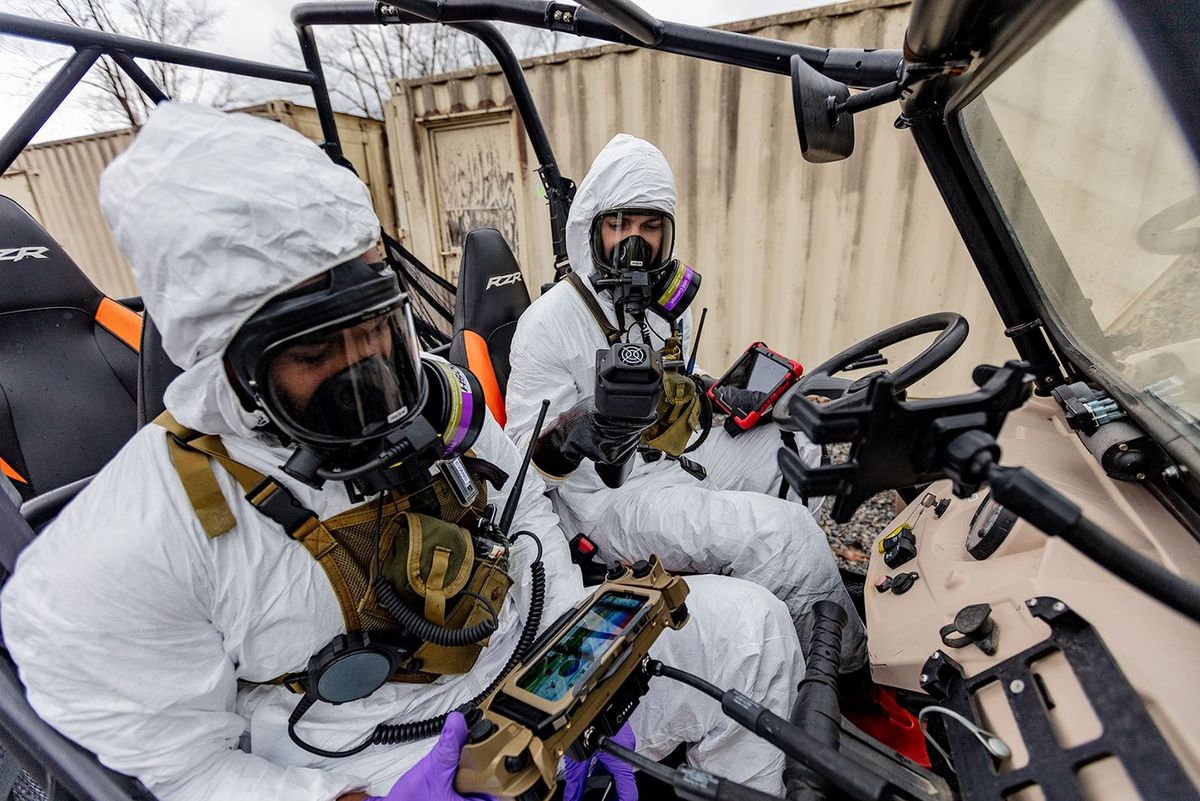
The inaugural Science & Technology CBRN Capability Operational User Trial (SCOUT26), organised by the United States' Defense Threat Reduction Agency's (DTRA) Joint Science and Technology Office, has concluded.
Taking place from 20-26 March at Camp Dawson, West Virginia, SCOUT26 was "a large-scale, scenario-based field experiment that allowed warfighters to employ individual prototypes in realistically simulated missions to assess integration potential", according to DTRA.
SCOUT26 featured three different components called the "main event", "laboratory developed test micro-experiment" and "concepts crucible".
The main event was a large-scale experiment where warfighters assessed individual prototypes to establish their integration potential within a set of capabilities. Hands-on experimentation focused on challenges such as defending a critical refuelling site, according to DTRA, ensuring that their science and technology development "is locked-in with real-world user needs, keeping our forces safer and more capable".
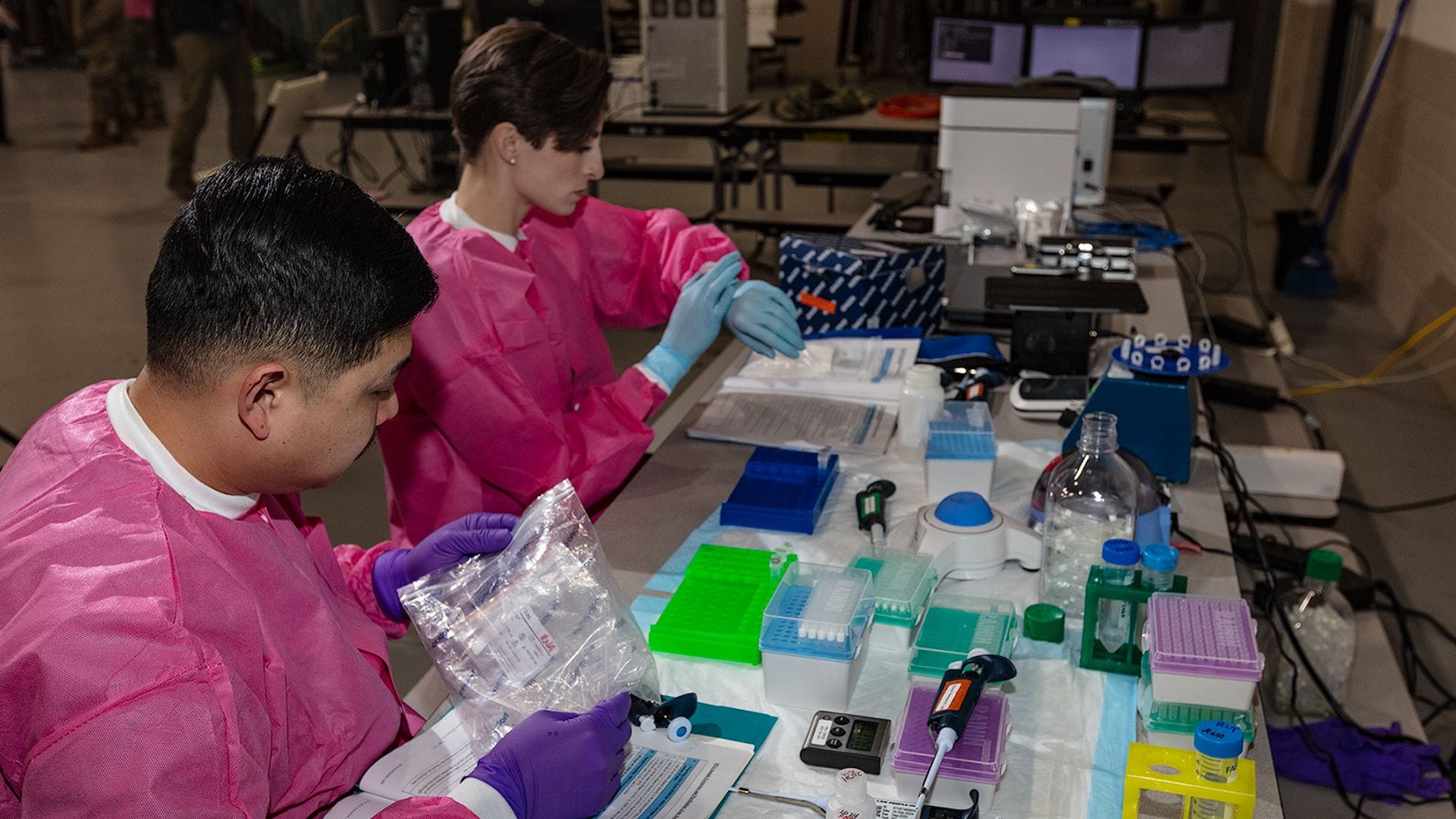
Meanwhile, the laboratory developed test micro-experiment assessed the feasibility of creating custom, on-demand diagnostics for novel biothreats, and the concepts crucible was an innovation forum where direct warfighter feedback on early-stage concepts helped de-risk future investment and guide development.
"The crucible is an event that allows us to demonstrate some concept technologies to the warfighters from different branches of the military and solicit feedback on how that technology may be used in their hands," said Dr. David Glasbrenner, a senior scientist at Battelle. "Different branches are going to use your technology differently…It's important to have events like this where your speed in one week, getting everyone's feedback at the early technology readiness levels stage allows you to develop a technology that's broader use instead of very niche use."
Attending companies
Several companies and institutions are known to have attended and participated at SCOUT26. These include ARA, Battelle, Gamma Reality, H3D, National Strategic Research Institute, realnose.ai, Sunflower Therapeutics and Tetramer.
Posting on LinkedIn, Gamma Reality wrote that "It’s one thing to test technologies at our office, but it’s another to see it through the eyes of the people who will actually rely on it in high-stakes, complex and unpredictable environments."
"This feedback loop is an important and ongoing part of the development and deployment cycle. It ensures that our multi-sensor fusion and 3D radiation mapping aren't just 'cool science' or 'pretty pictures', and instead are practical tools that output intuitive, actionable data and provide results when it matters most."
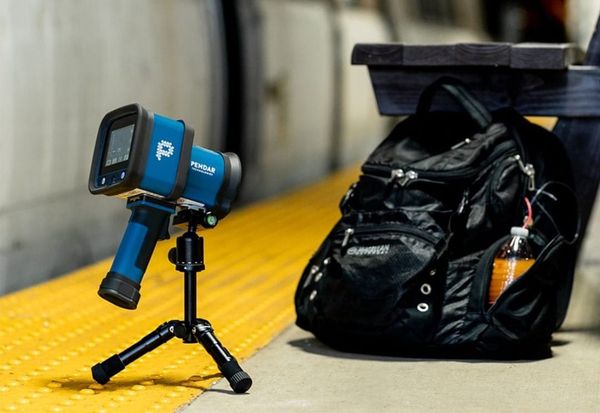
Meanwhile, H3D brought multiple detectors to the event, including their drone-based radiation imaging system, the M400iC, and their handheld radioisotope identification device, the A401. Tetramer also showcased their metal-organic framework bead technology integrated into CBRN protective fabrics that absorbs and neutralises chemical warfare agents and toxic industrial chemicals on contact.
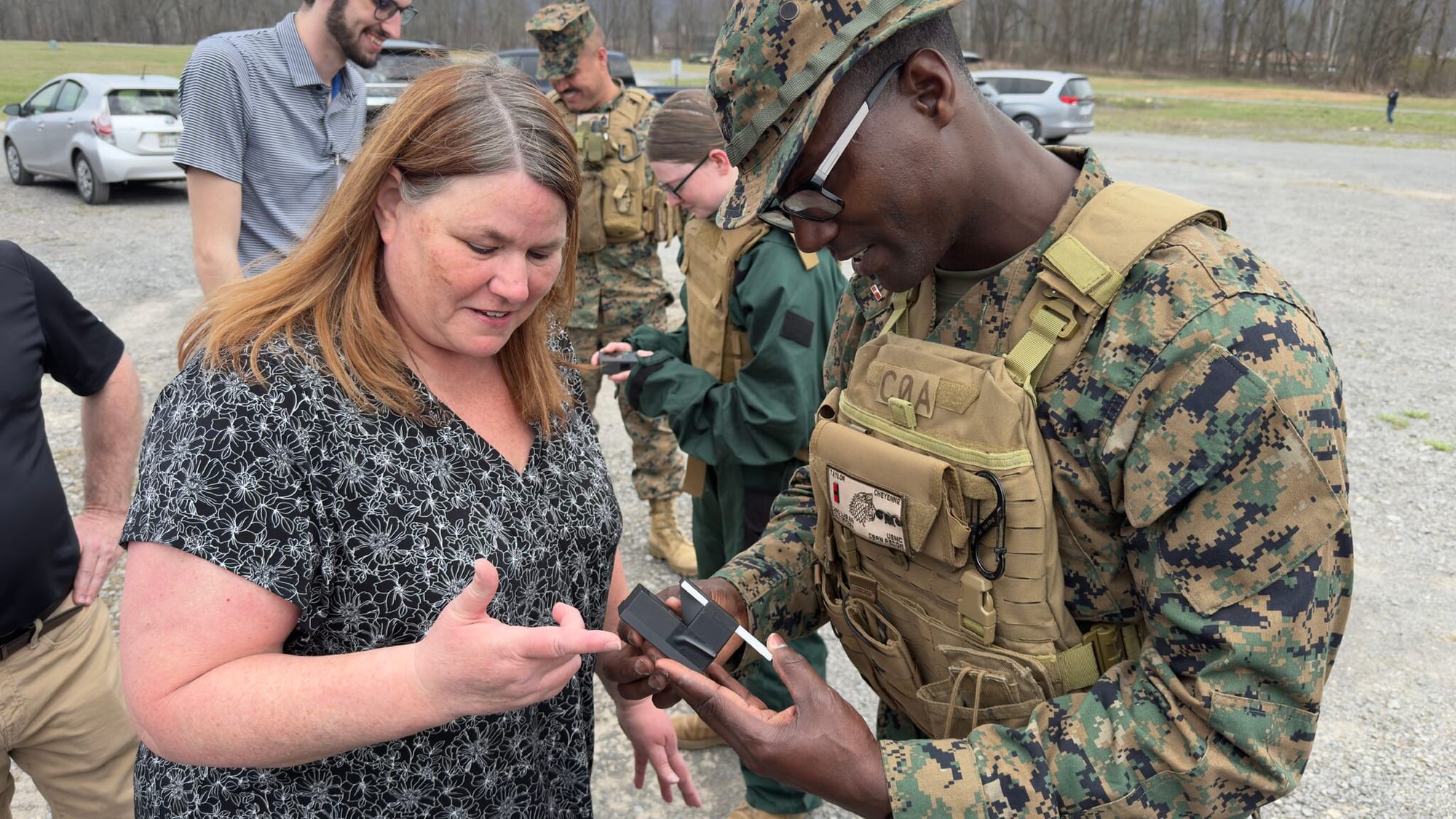
US Army DEVCOM CBC also took part, introducing their BlindSpot multiplex lateral flow immunoassay to quickly detect biological toxin threats.
"It's a feedback loop that's going to accelerate the entire process."
SCOUT 26 evolved out of an annual chemical and biological operational analysis field experiment, and will now be tied into future engagements as a larger campaign.
"These are incremental growth opportunities that inform the next event, so we don't have to wait a year or 18 months for the next event to get the information that we need," said Dr. Robert Kristovich, the director of the Joint Science and Technology office for CBRN Defense at the Defense Threat Reduction Agency. "We’re looking at a campaign where we're constantly taking the information from one, feeding it into the next, and it's a feedback loop that's going to accelerate the entire process."
Stephanie Calderwood, medical diagnostics branch chief at JSTO, added, "I think this really shows the Defense Threat Reduction Agency and the Joint Science Technology Office's focus and commitment to, getting capability that helps our warfighters in real time at the point of need... and it could potentially save a lot of lives on the back end."
Further information about SCOUT26 can be found here and via the #SCOUT26 thread on LinkedIn.