OPCW marks launch of Syria-led chemical weapons destruction task force

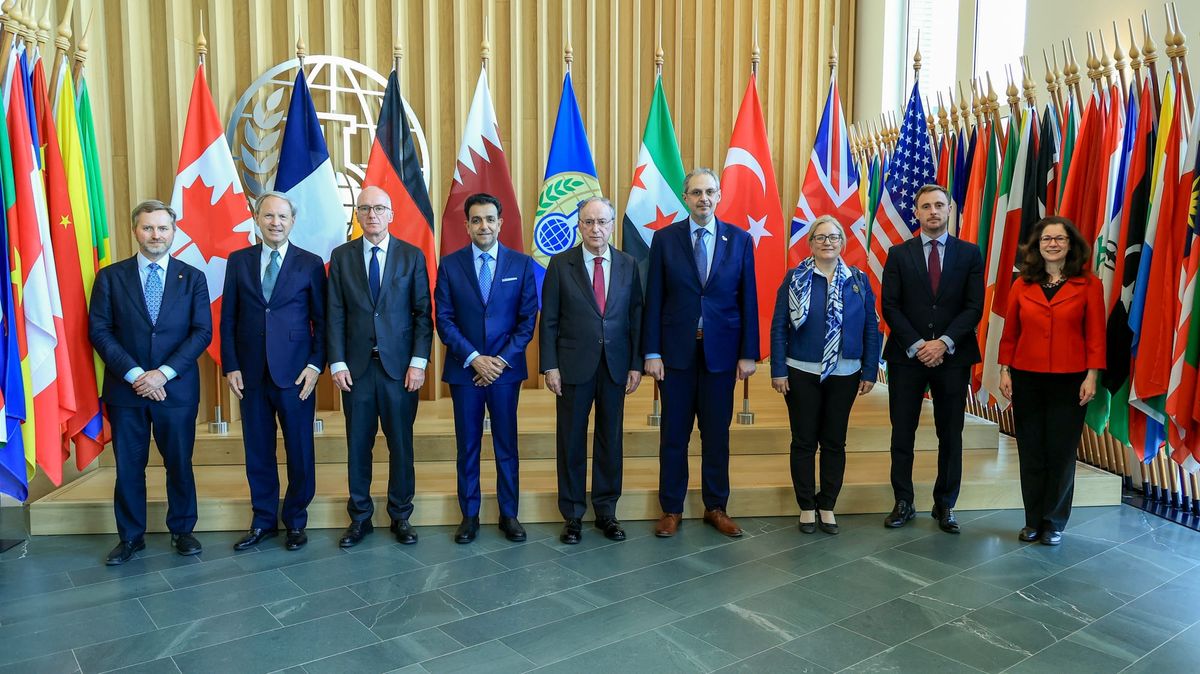
The Organisation for the Prohibition of Chemical Weapons (OPCW) has marked the launch of the new "Breath of Freedom Task Force", a Syrian-led coordination framework established to support efforts to identify, secure, transfer and destroy any remaining elements of the Assad-era chemical weapons programme.
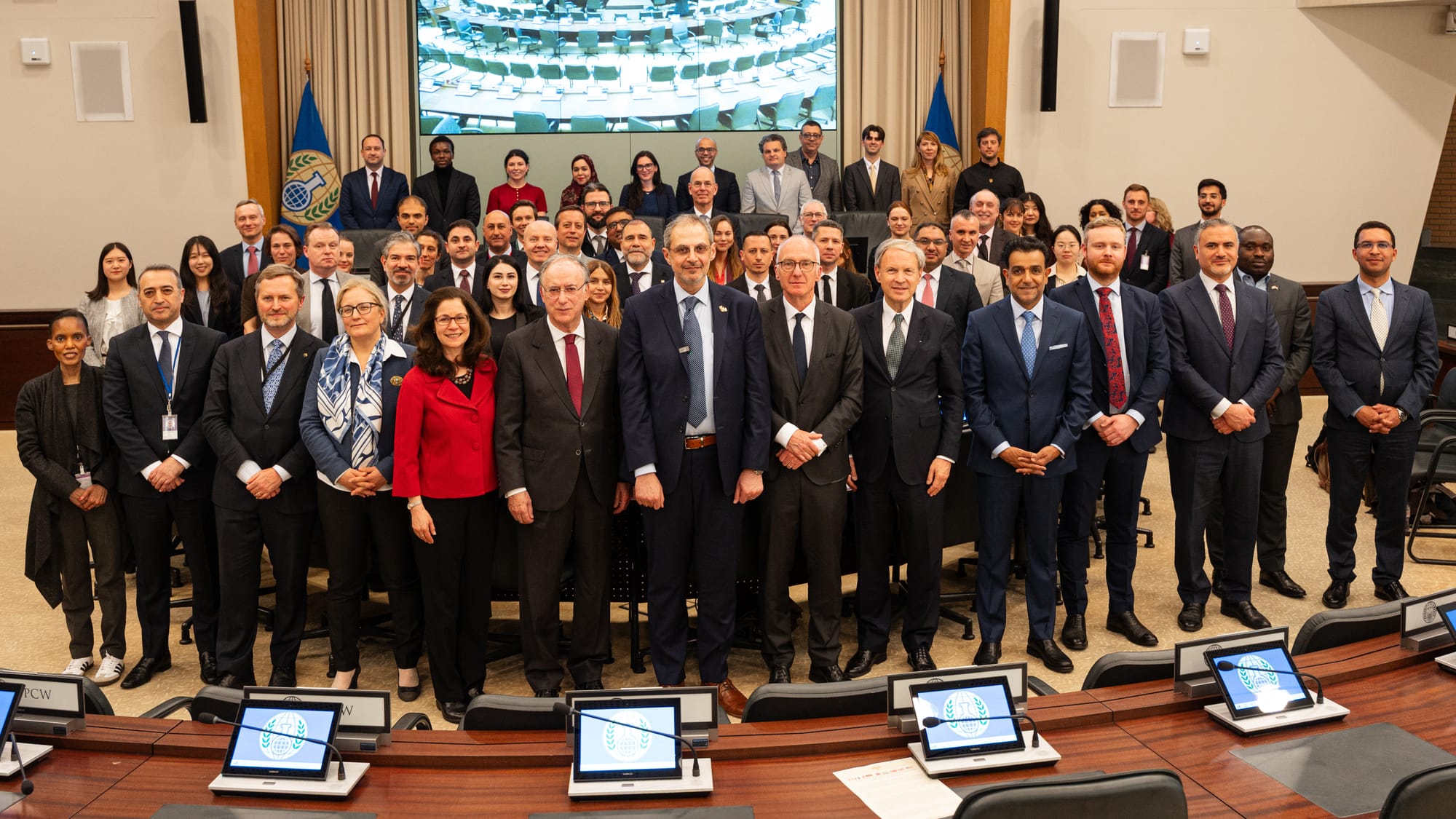
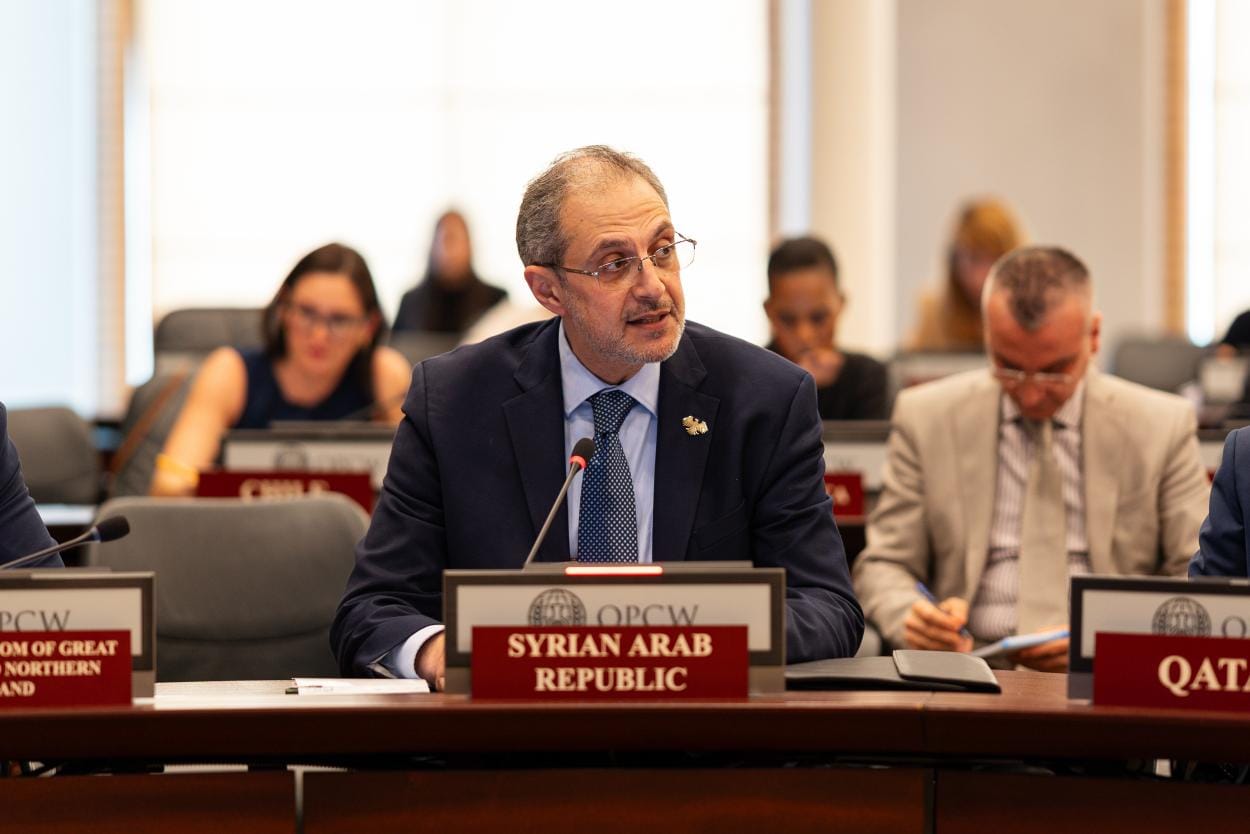
OPCW director-general Fernando Arias provided the opening remarks at the technical briefing on the task force on 8 April, hosted by the Syrian permanent representation to the organisation. The event took place at the OPCW headquarters in The Hague and was attended by representatives from 66 states parties, according to the OPCW.
"The briefing aimed to provide a more technical presentation of the task force to the OPCW community, to strengthen member states’ understanding of its purpose and added value, to encourage broader technical and financial support for Syria’s efforts, and to promote transparent and constructive engagement within the OPCW framework," the organisation wrote.
The detailed discussion focused on the task force's role, operational and coordination functions, avenues for engagement with non-participating OPCW member states, financial contributions and broader technical support requirements.
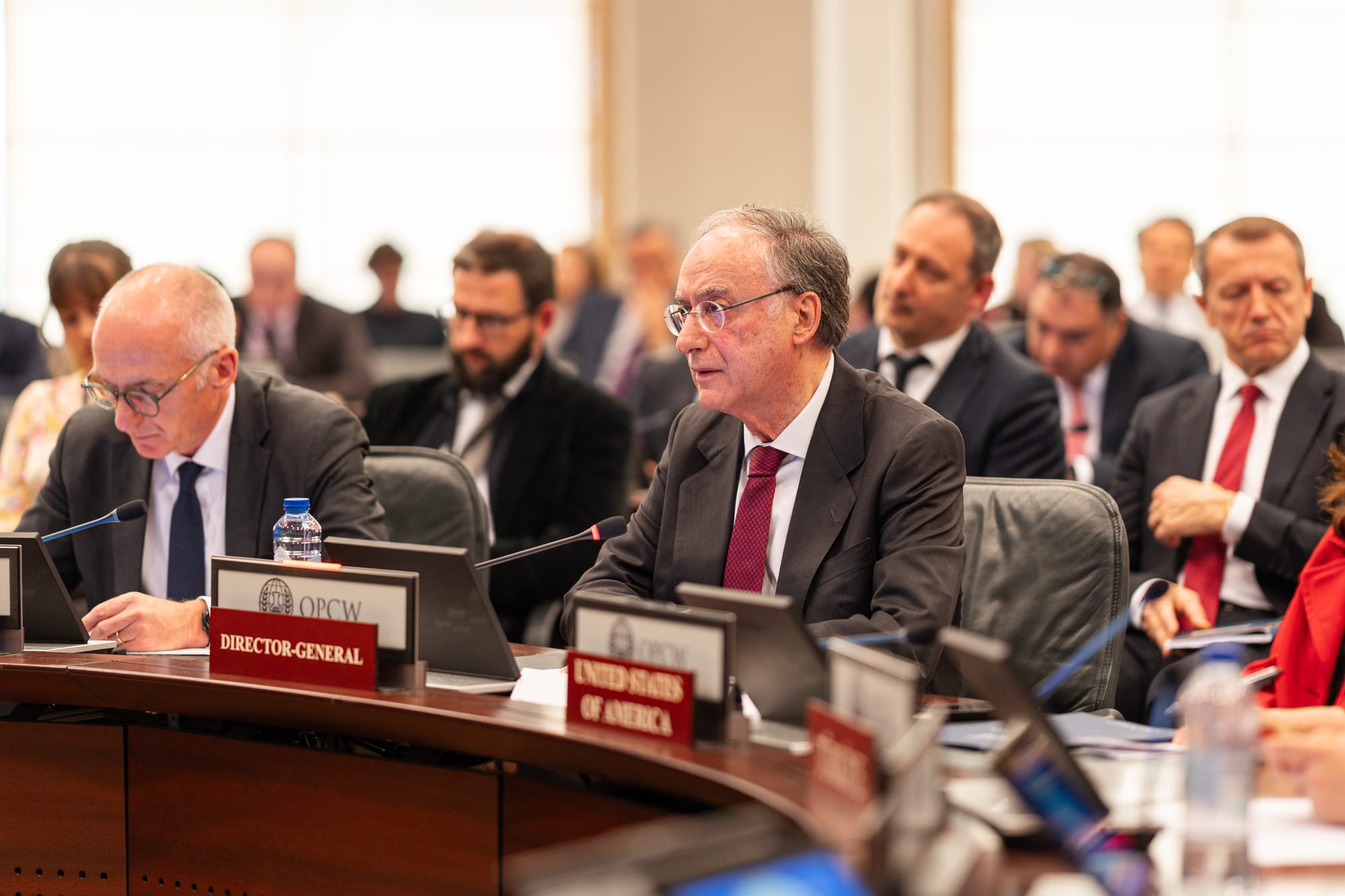
Statement from OPCW director-general, Fernando Arias
Giving the opening remarks at the technical briefing, director-general Arias said: "Since December 2024, the OPCW has entered a new and critical phase in its efforts to uncover and define the full extent of the Assad government’s clandestine chemical weapons programme, and to ensure that all elements are declared and irreversibly destroyed by Syria under strict verification by the OPCW.
"Today, the Syrian authorities are cooperating on the relevant mandates of the OPCW. At the same time, the new Syrian authorities have also consistently stated that they do not possess the necessary means and resources to implement the country’s obligations under the Convention. The Secretariat has been providing assistance in all relevant fields and continues to stand ready to support Syria as needed.
"With passage of time, more than a year after coming to power, the Syrian authorities have gained increasing access to structures, witnesses, actors, documents, and it is expected that they can start proposing to the Secretariat specific elements to declare. Under the Convention it is the responsibility of the possessor State Party to declare what it possesses or finds. Without declarations, there cannot be any legally verified destruction, which is the purpose of our meeting today.
"Today, the representatives of a group of seven generous states parties, led by Syria, are holding a briefing about a remarkable project: the Syrian led International Task Force for the elimination of any remaining chemical weapons. I applaud the initiative of this group of states parties supporting Syria in this difficult task, with a generous financial, technical and specialised human resources approach.
"For this effort to succeed, it will require more than the Secretariat, Syria and a group of willing states parties - it will require the support of the international community as a whole. This is a mission that no single actor can undertake alone. It is therefore vital for all states parties to consider how they can support this group in ensuring Syria’s success in this challenging endeavour."
According to the OPCW, significant preparatory work has been undertaken for this new phase of tackling the remnants of Syria's chemical weapons programme, both in Syria and at the OPCW. Among other steps, the Secretariat has re-established its office in Syria with a continuous and rotational presence, officials are preparing a detailed inventory of potential sites and materials, and coordination with the Syrian authorities on locations to be visited is underway.
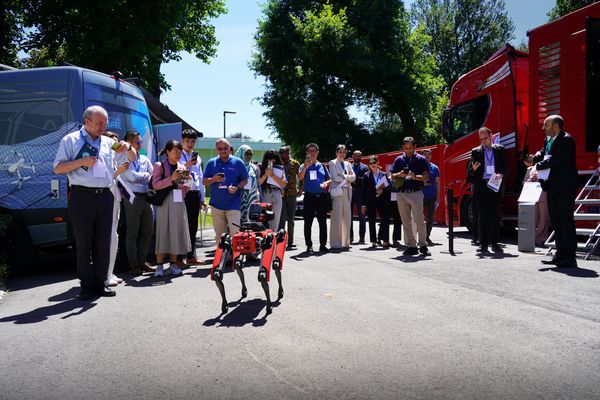
Explosive remnants blocking access to chemical weapons sites
The "Breath of Freedom Task Force" was inaugurated in New York on 18 March 2026 at a special ceremony at the United Nations, at which Dr Mohamed Katoub also spoke.
The task force's activities will be conducted with OPCW verification in accordance with the Chemical Weapons Convention. Including Syria, the task force comprises the of the governments of Canada, France, Germany, Qatar, Türkiye, the United Kingdom and the United States.
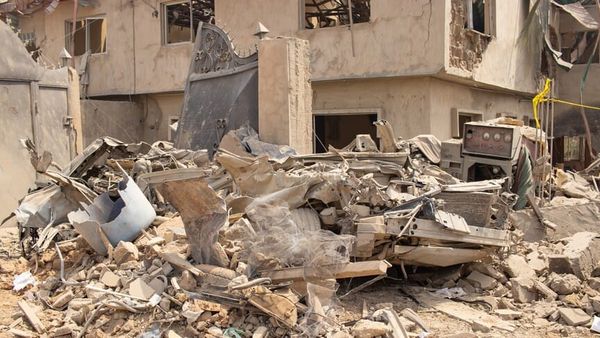
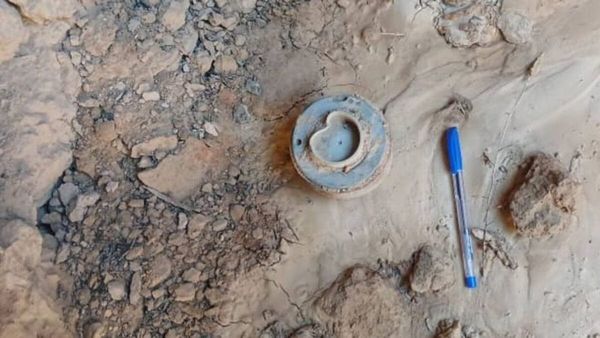
However, concern has recently been raised about the presence of landmines and explosive remnants of war around suspected chemical weapons sites blocking access for UN and Syrian inspectors.
Briefing the UN Security Council in New York on Tuesday 10 March, Andrew Moore, HALO's regional director for the Middle East and North Africa, said that, many suspected chemical weapons sites heavily damaged by aerial bombardment "may contain perimeter or internal minefields, unexploded air-dropped or guided munitions, booby traps or improvised explosive devices, many requiring armoured mechanical assets to remove them".
He stressed, however, that these obstacles are a "practical problem that can be solved quickly and safely with the right expertise and funding".
During the 13-year civil war in Syria from March 2011 to December 2024, the now deposed regime led by Bashar Al Assad was accused of the majority of chemical weapons attacks, prompting international condemnation and military responses.
The Ghouta attack in August 2013 - the deadliest use of chemical weapons in the conflict and the worst since the Iran–Iraq War - prompted an international agreement to eliminate Syria's chemical weapons and dismantle its arsenal. Although most declared stockpiles were destroyed, several lethal chemical attacks followed in subsequent years raising concerns about undeclared stockpiles.